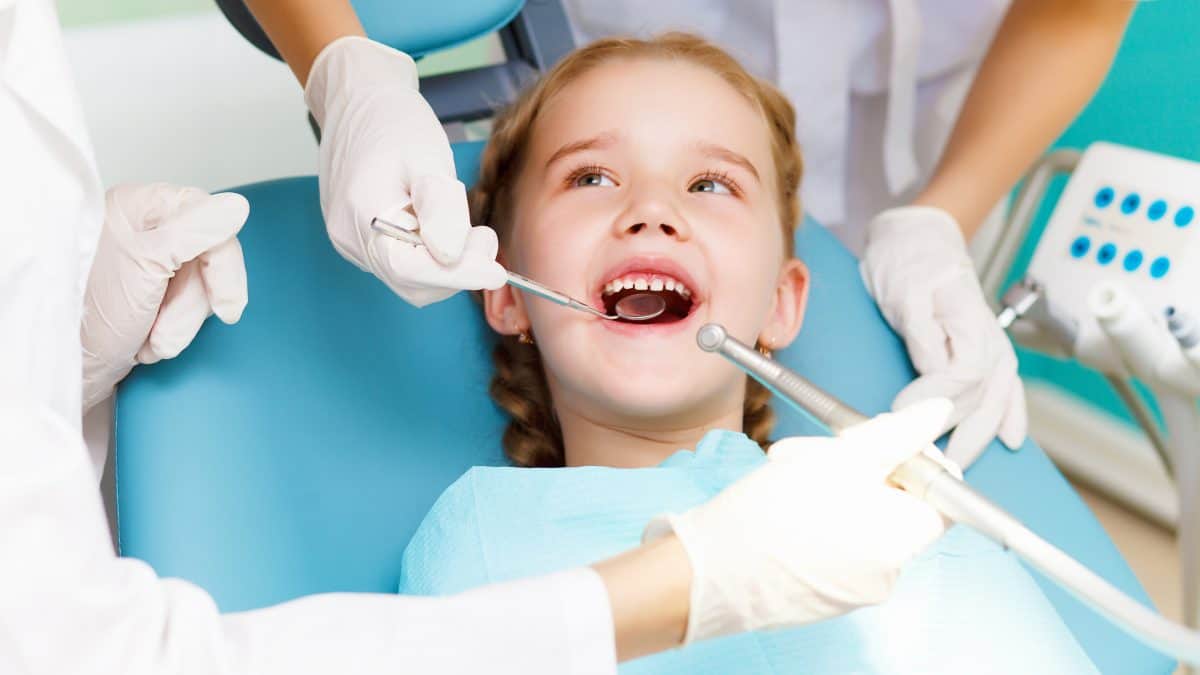
A child’s smile is a reflection of their overall well-being. Healthy teeth and gums allow children to eat comfortably, speak clearly, and develop properly. Yet childhood is also the period when teeth are the most vulnerable to decay, trauma, and developmental issues. For parents, understanding the essentials of children’s dentistry (pedodontics) is crucial to ensuring lifelong oral health.
Children’s dentistry focuses on preventive care, early diagnosis, guidance on correct habits, and gentle treatments tailored for young patients. This comprehensive guide covers everything parents should know—from baby teeth and brushing routines to common dental problems, preventative techniques, and the importance of regular dental check-ups.
Understanding Baby Teeth: Why They Are Important
Many parents assume that baby teeth (primary teeth) are not important because they eventually fall out. However, this is a misconception.
Primary teeth play vital roles:
- They help children chew and eat properly
- Aid in speech development
- Support jaw and facial growth
- Hold space for permanent teeth
- Prevent crowding and misalignment
If baby teeth are lost too early due to decay or trauma, it can result in long-term orthodontic and developmental problems.
Baby teeth usually begin to appear around 6 months of age and continue erupting until about 2–3 years old. By age 6, the permanent teeth begin to replace them.
When Should a Child Visit the Dentist?
The first dental visit should occur by the child’s first birthday or within six months after the first tooth erupts. Early dental visits allow the dentist to:
- Monitor tooth development
- Identify early signs of decay
- Guide parents on proper oral hygiene
- Detect habits like thumb sucking early
- Build a positive relationship with the child
After the initial visit, check-ups should occur every six months.
Daily Oral Care for Children
Building healthy habits during childhood ensures stronger oral health in adulthood.
1. Brushing
- Start brushing as soon as the first tooth emerges
- Use a soft-bristled baby toothbrush
- Use a smear of fluoride toothpaste for ages 0–3
- Pea-sized amount for ages 3 and above
- Brush twice daily for 2 minutes
2. Flossing
Floss once a day as soon as two teeth touch each other.
3. Supervision
Children should be supervised while brushing until at least age 7–8 to ensure effective cleaning.
Common Dental Problems in Children
1. Early Childhood Caries (Baby Bottle Tooth Decay)
This is one of the most common childhood diseases. Causes include:
- Putting a baby to sleep with a bottle filled with milk or juice
- Frequent sugary snacks
- Poor brushing habits
Untreated decay can cause pain, infection, and early tooth loss.
2. Tooth Sensitivity
Children may experience sensitivity due to:
- Enamel erosion
- Cavities
- Cracked teeth
- Improper brushing
3. Gum Disease (Gingivitis)
Swollen, red, and bleeding gums are often signs of early gum disease caused by plaque buildup.
4. Tooth Trauma
Falls, sports injuries, or accidents can lead to:
- Chipped teeth
- Knocked-out teeth
- Fractures
- Soft tissue injuries
Immediate dental attention is essential.
5. Congenital Issues
Some children may be born with:
- Enamel defects
- Missing teeth
- Extra teeth
- Delayed eruption
Early detection allows for appropriate planning.
Preventive Dentistry for Children
Prevention is the foundation of children’s dental care. It is far easier—and more comfortable—to prevent problems than to treat them.
1. Fluoride Treatments
Fluoride strengthens enamel and makes it more resistant to decay. Pediatric fluoride treatments are:
- Quick
- Safe
- Painless
- Effective
Applied every 3–6 months depending on the child’s risk level.
2. Dental Sealants
Sealants protect the chewing surfaces of molars by sealing deep grooves where bacteria accumulate.
Benefits of sealants:
- Prevent 80% of cavities in molars
- Last several years
- Completely painless
Applied typically around ages 6 and 12.
3. Regular Cleanings
Professional cleanings remove plaque and tartar that cannot be removed by brushing alone.
4. Nutritional Guidance
Dentists help parents understand which foods promote oral health, such as:
- Fresh fruits
- Vegetables
- Dairy products
- Water
And foods that increase cavity risk:
- Sticky candies
- Sugary snacks
- Juice and soda
5. Habit Counseling
Certain habits can negatively affect oral development.
Dentists provide guidance on:
- Thumb sucking
- Pacifier use
- Tongue thrusting
- Nail biting
Ideally, these habits should stop by age 2–4.
Orthodontic Assessment in Children
Early orthodontic evaluation around age 7 is recommended.
This allows dentists to detect:
- Misaligned teeth
- Improper bite (overbite, underbite, crossbite)
- Crowding
- Jaw growth issues
Early intervention can prevent more complex treatments later in life.
Managing Dental Anxiety in Children
Dental anxiety is common among children. Pediatric dentists are trained to create a child-friendly environment using:
- Playful language (“Mr. Thirsty” instead of suction)
- Gentle communication
- Distraction techniques
- Rewards and positive reinforcement
- Parental involvement
Calm and supportive experiences help children develop lifelong trust in dental care.
Dental Emergencies in Children
Parents should know how to respond to dental emergencies:
Knocked-Out Tooth (Permanent Tooth)
- Hold by the crown, not the root
- Rinse gently
- Place back in the socket if possible
- If not, put in milk or saliva
- Visit the dentist immediately
Chipped or Broken Tooth
- Save broken pieces
- Rinse mouth with warm water
- Apply cold compress
- Visit the dentist promptly
Toothache
- Rinse with warm water
- Use cold compress
- Avoid placing aspirin directly on the gum
- Seek dental care as soon as possible
The Role of Parents in Oral Health
Parents are the first line of defense against childhood dental problems.
Effective parental involvement includes:
- Setting brushing routines
- Choosing healthy snacks
- Limiting sugary foods
- Scheduling regular dental visits
- Encouraging good oral habits
- Setting a positive example
Why Choose a Pediatric Dentist?
Pediatric dentists undergo extra years of specialized training to handle:
- Child psychology
- Growth and development
- Special-needs children
- Behavioral management
- Pediatric emergencies
Their clinics are designed to make children feel safe and comfortable.
Frequently Asked Questions
1. How often should children visit the dentist?
Every 6 months.
2. Are X-rays safe for children?
Yes. Modern digital X-rays use extremely low radiation levels.
3. When should orthodontic treatment begin?
Orthodontic assessment: age 7
Treatment varies between ages 9–14 depending on the issue.
4. What toothpaste should my child use?
Fluoride toothpaste appropriate for their age.
5. What should I do if my child grinds their teeth?
Bruxism is common in children and often temporary, but a dentist should evaluate it.
Conclusion
Children’s dental care is a vital part of their overall health and development. By starting early, building good habits, and visiting the dentist regularly, parents can ensure their children enjoy strong, healthy teeth for life. Preventive care, early diagnosis, and gentle treatment approaches allow children to grow up with confidence and a beautiful smile.
Pediatric dentistry isn’t just about treating teeth—it’s about teaching children the importance of oral health and creating positive experiences that last a lifetime.