Dentures are removable dental appliances designed to replace missing teeth and restore essential functions such as chewing, speaking, and maintaining facial structure. As one of the oldest yet continually evolving solutions in restorative dentistry, dentures have advanced significantly through modern materials, digital technology, and precision fabrication techniques. Today’s dentures provide improved comfort, enhanced aesthetics, and a more natural feel, helping patients regain confidence and quality of life after tooth loss.
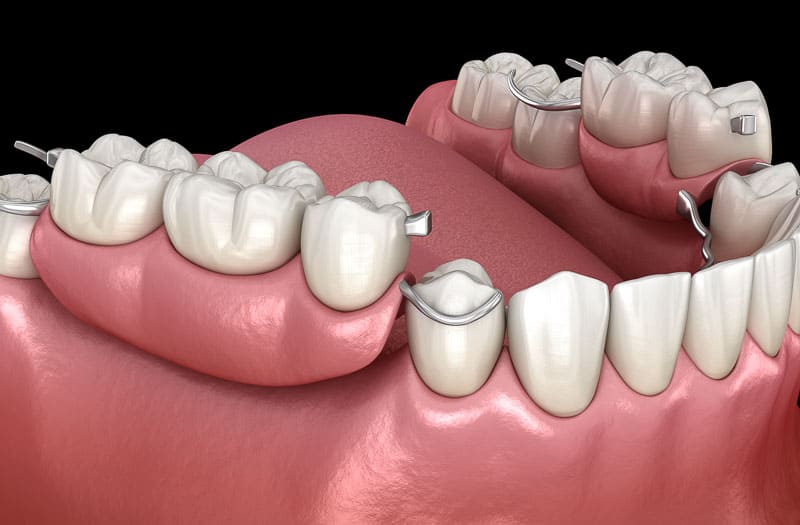
Dentures come in several forms, including complete dentures, used when all teeth in an arch are missing, and partial dentures, which replace one or more missing teeth while preserving the remaining natural teeth. Advanced options such as implant-supported dentures offer superior stability, reduced movement, and increased chewing efficiency by anchoring the prosthesis to dental implants placed in the jawbone. These variations ensure that each patient receives a customized solution suited to their oral condition, lifestyle, and expectations.
The process of creating dentures begins with a comprehensive examination, digital imaging, and detailed impressions of the gums and remaining teeth. This information forms the basis for designing a prosthesis that fits snugly, functions comfortably, and achieves natural esthetics. During the fabrication phase, high-quality materials such as acrylic, composite resins, and flexible polymers are sculpted to match the patient’s bite, facial proportions, and shade preferences. Additional try-in appointments allow adjustments to ensure the optimal shape, color, comfort, and occlusion before the final denture is delivered.
Modern dentures not only restore the ability to chew a wide variety of foods but also prevent facial sagging caused by tooth and bone loss. They play a crucial role in maintaining proper speech and supporting oral structures such as the cheeks and lips. While traditional dentures are removable, implant-supported systems offer exceptional stability, making them particularly beneficial for individuals with advanced bone loss or those seeking a long-term, secure alternative to conventional solutions.
Maintenance is essential for extending the life of dentures and protecting oral health. Patients must practice daily cleaning, remove the dentures overnight to allow the gums to rest, and attend routine dental check-ups for fit adjustments. Over time, changes in the bone and gum tissues may require relining or replacement to maintain optimal comfort and function.
Although dentures are a highly effective solution, they may involve an adaptation period. Some patients experience increased saliva, mild sore spots, or temporary changes in speech during the first days or weeks. With proper guidance and follow-up care from the dental professional, these adjustments typically resolve quickly.
Dentures represent a crucial advancement in restorative dentistry, offering an affordable, functional, and aesthetic solution for patients experiencing partial or complete tooth loss. Combined with modern digital techniques and implant-based innovations, contemporary dentures provide an exceptional blend of comfort, stability, and natural appearance—significantly improving oral health and overall well-being.