Pediatric dentistry is a specialized branch of dental care dedicated to the oral health of infants, children, and adolescents, including those with special health care needs. The primary goal of pediatric dentistry is to ensure that young patients develop strong, healthy teeth and gums from an early age while creating positive dental experiences that help prevent anxiety and fear in future dental visits. With a strong emphasis on prevention, education, and gentle techniques, pediatric dentistry lays the foundation for lifelong oral health and confidence.
Children’s oral health develops rapidly, with baby teeth playing a crucial role in speech development, nutrition, jaw growth, and the proper alignment of permanent teeth. Pediatric dentists are trained to monitor these developmental stages closely, identifying issues such as early childhood caries, enamel defects, bite problems, tooth eruption delays, habits like thumb-sucking, tongue thrusting, or bruxism, and treating them promptly to prevent long-term complications.
Modern pediatric dentistry provides a wide range of services tailored to the unique needs of growing children, including:
-
Preventive care: routine check-ups, fluoride applications, dental cleanings, sealants, dietary guidance, and oral hygiene education.
-
Restorative treatments: fillings, crowns, pulpotomies, and root canal treatments for primary teeth.
-
Behavior management: gentle communication techniques, positive reinforcement, and desensitization methods to help children feel safe and comfortable.
-
Management of dental trauma: treating fractured, displaced, or knocked-out teeth caused by accidents or sports injuries.
-
Interceptive orthodontics: early evaluation and treatment to guide jaw growth and prevent severe alignment problems.
-
Care for children with special needs: customized approaches that ensure a supportive, compassionate, and sensory-aware environment.
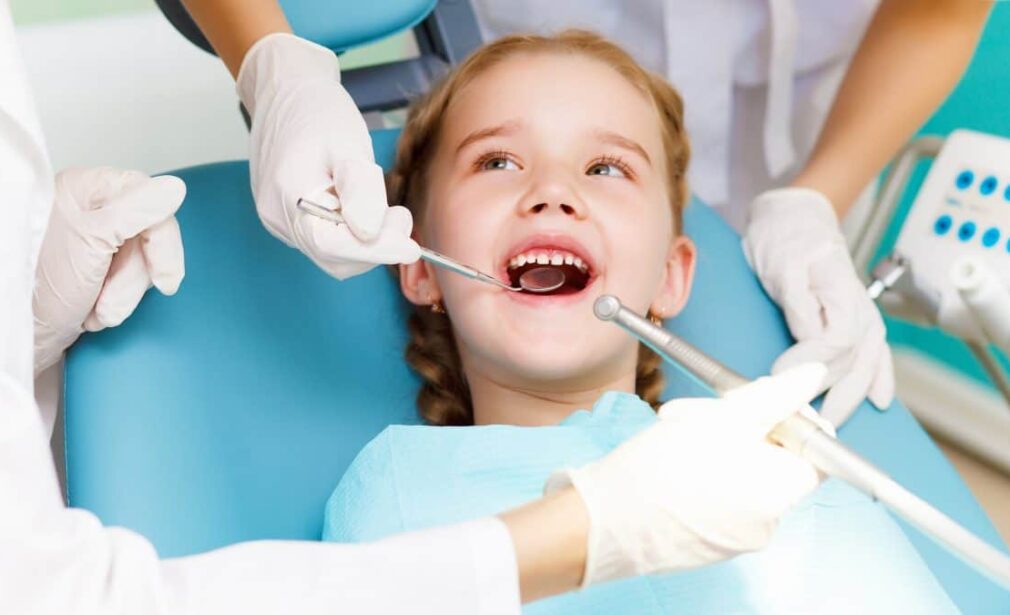
A pediatric dental visit typically begins with a friendly introduction to the environment, allowing children to become familiar with the dental chair, instruments, and the dentist’s presence. This approach helps build trust and reduces anxiety. Advanced technology such as digital X-rays, intraoral cameras, and child-friendly educational tools also help deliver accurate diagnoses while keeping the experience engaging and stress-free.
One of the core pillars of pediatric dentistry is parental education. Parents receive guidance on topics such as proper brushing techniques, cavity prevention, nutrition, fluoride use, injury management, teething, and habits that may affect dental development. Early education empowers families to maintain optimal oral hygiene and recognize concerns before they worsen.
By addressing dental issues early, pediatric dentistry prevents more serious problems such as infections, misaligned bites, and premature loss of primary teeth, which can affect future speech and facial development. Through a combination of preventive care, compassionate communication, and specialized training, pediatric dentistry ensures that every child receives the safest, most comfortable, and most effective care possible — fostering healthy smiles and positive attitudes toward oral health for life.