Emergency dental care provides immediate, essential treatment for sudden and severe dental issues that require urgent attention to relieve pain, stop bleeding, prevent complications, and protect long-term oral health. These emergencies can range from intense toothaches and broken teeth to infections, abscesses, injuries caused by accidents, or situations where dental restorations become loose or dislodged. Prompt, skilled intervention plays a critical role in preventing further damage and preserving teeth that might otherwise be at risk.
Emergency dental care is designed to address a wide spectrum of urgent conditions, including acute tooth pain, cracked or fractured teeth, knocked-out teeth, lost fillings or crowns, gum or facial swelling, dental abscesses, soft tissue injuries, and severe sensitivity. Many of these conditions can escalate rapidly, leading to more extensive treatment needs if left untreated. Early diagnosis and immediate care help minimize discomfort, reduce the risk of infection spreading, and ensure the best possible outcomes.
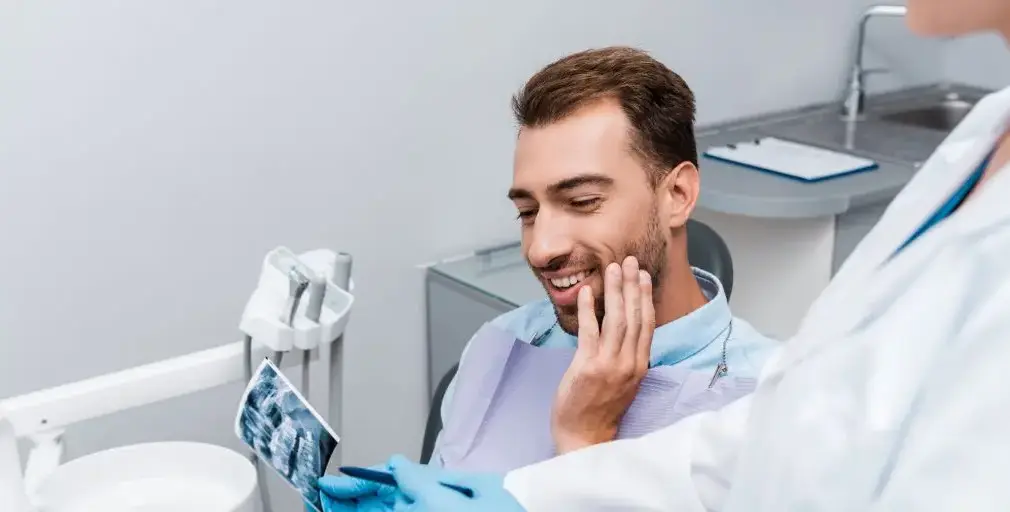
A comprehensive emergency visit often begins with a detailed clinical examination and necessary diagnostic imaging, such as digital X-rays or CBCT scans, to accurately determine the cause of the problem. Depending on the situation, treatments may include pain management, medication for infection control, temporary or permanent restorations, root canal therapy, extraction, reimplantation of avulsed teeth, or stabilization of damaged structures. For cases involving trauma, additional attention is directed toward evaluating surrounding tissues, nerves, and potential fractures.
Modern emergency dental care integrates advanced technology, minimally invasive techniques, and evidence-based protocols to deliver fast, efficient, and safe relief. Dentists prioritize patient comfort by using gentle anesthetic approaches, calming communication, and precise treatment planning—even in high-stress situations. With today’s digital tools, such as intraoral scanners and real-time imaging, clinicians can diagnose and treat emergencies with remarkable accuracy and speed.
In many cases, emergency dental care not only resolves immediate discomfort but also prevents long-term complications such as tooth loss, spreading infections, damage to the jawbone, or deterioration of surrounding teeth. Professional guidance also helps patients understand home-care measures, long-term treatment recommendations, and follow-up procedures needed to restore full function and oral stability.
Whether caused by an accident, untreated decay, infection, or sudden structural failure, dental emergencies should never be ignored. Emergency dental care provides rapid, compassionate, and effective solutions that protect oral health and help patients return to comfort, safety, and daily activities as quickly as possible.